Saturday, November 08, 2025

organ donor infant


 NTD is associated with the FalunGang religious group which is illegal in China and their is a scandal that some were political prisoners who were killed to sell their organs. LINK

;;;before you point fingers at China, remember when Project Veritas found that Planned Parenthood was getting organs from late term abortions (and the local Dcmocrats  in California made sure that PV was sued).
I am so old that I remember when the AMA and their ethicists backed  the idea of getting organs from Anencephalic babies 40 years ago: The problem? These kids have a brain stem, so it means they don't meet the brain dead criteria, and if allowed, it is a quick ethical slide into using people in comas for organs (something the ethicists have also been trying to push for 30 years) as one can see from this proposal in Lancet in Nov 1997. This met opposition as this letter from Lancet in 1998 shows:

The announcement on television and radio by J Radcliffe-Richards on behalf of the International Forum for Transplant Ethics (preceding the group's Lancet paper ), suggesting that patients in permanent vegetative state (PVS), in whom a court had given consent to withdrawal of treatment, could be given a lethal injection to expedite death so that their organs can be removed for transplantation must be challenged
The use of a lethal injection to terminate the life of an individual who is clearly alive although without cognitive brain function and in whom established brain death criteria are not fulfilled is to be deplored, however well meant. The proposal suggests euthanasia and, even worse, smacks of the activities of totalitarian regimes.

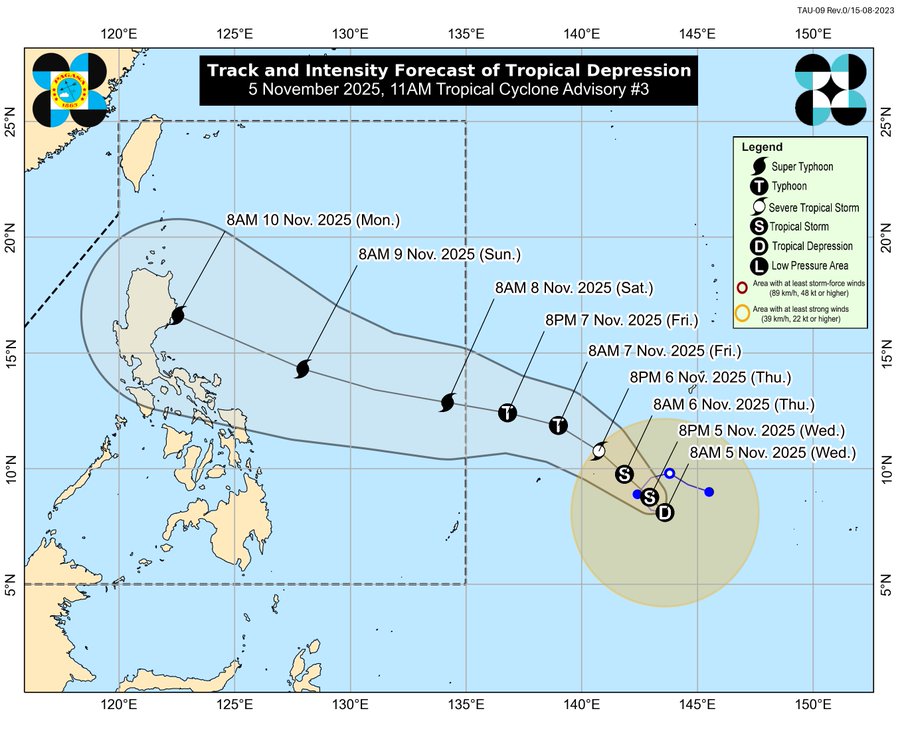
waiting for the typhoon

 Due to hit tomorrow night, but it is huge so we should start getting rain tomorrow. In the Visayas, they are already being hit.

Everyone is preparing for thr the typhoon:, we are signal 2.

Alas, one of the workers cutting down tree limbs in our area was electrocuted when the falling branch hit a live electric wire. He has three school age kids. 

Sigh.

growing rice vs green electricity


this series of films is about Filipino culture.

They get  some things correct and some things wrong. 

This vido is about growing rice in a sustainable fashion instead of using chemicals, consolidating farms and displacing small farmers, etc.

When I first moved here, the planting was by hand (it still is) using a water buffalo, and the harvesting was done by hand, (our staff would take off to help their relatives harvest). We had a portable thresher however, to separate the grain from the chaff. And we still tend to dry the  rice on a flat surface 

But the government encourages sustainable non chemical farming, and the Philippine rice institute provides grain and seedlings that are hybrid for better crop yields.

That said, a lot of this is still true:

the bad news A lot of the fields are now being sold or rented out to solar panels to supply electricity to Manila.

Friday, November 07, 2025

Life imitates Spaceballs


....

the Visayas recovering from last typhoon

 Most of the reports were from outsiders or in Tagalog, but this one is from a local news outlet:

,,,,,

,,,,

the anger is strong because right now the big scandal is the corruption of the flood control projects, where money was appropriated for flood control but either nothing was done or shoddy and incomplete flood control projects were happening.

We are sending money to our staff's families to help, and this is multipplied by many people sending help to relativves.

And the bad news: Another storm headed here this weekend: It should hit furthur north (i.e. hit us and maybe destroy the rice crop that hasn't yet been harvested and dried).

wikipedia page here, but as the summary notes; the scandal is ongoing.

the dirty little secret is that a lot of aid is diverted, or misused, not just in the Philppines but all over the world: We are waiting for the Pope to say hey don't steal the money from the poor, but instead too oftne we see only stuff about love and give more to charity/development projects.

mmmm


update: I went out to get extra money in case the banks are closed on Monday. Also some extra supplies. I may check the spare generator tomorrow just in case we go off line for a few days. Depends how bad are the winds.


m

Wednesday, November 05, 2025

another day another storm

 the typhoon that hit the central Philippines has left the area, but another one is due Sunday... and could hit us.


Here it is mainly cloudy with rain showers.

BBC Bias: nothing new. Now try Lancet


when I lived in Africa, our only source of news was the BBC via shortwave. And they lied about Reagan all the time. Supposedly Reagan was a cowboy who was going to start World War III...

well nothing seems to have changed:

As for Lancet: Remember when they posted a letter by a bunch of experts saying Covid did not come from WUhan: written by the head of Ecohealth, the organization that gave Wuhan labs the money to do gain of function research?

Tuesday, November 04, 2025

the MSM ignored Asian casualties of Hamas: It wasn't just Israelis

I sort o found this story when some were finally released but the MSM never mentioned it. 

I am not up to writing and researching it again, So I asked Grok: ,,,,,posted here for my own information


### The Story of Thai Farm Workers in the October 7, 2023, Hamas Attack on Israel

In the early morning hours of October 7, 2023, Hamas militants launched a massive surprise assault on southern Israel, breaching the border fence with Gaza in multiple locations. What began as a barrage of thousands of rockets was followed by ground incursions involving gunmen on motorcycles, paragliders, and trucks. The attacks targeted civilian communities, including kibbutzim (collective farms) and agricultural sites near the border—areas where thousands of migrant workers from Thailand were employed. These Thai laborers, drawn to Israel by promises of steady wages far exceeding what they could earn at home, suddenly found themselves in the crosshairs of a conflict they had no part in. Their stories highlight the vulnerability of low-wage migrant workers, who were neither soldiers nor settlers but essential cogs in Israel's agricultural machine.

#### Why Were So Many Thai Workers There? Thailand has been Israel's largest source of foreign agricultural labor since a 2012 bilateral agreement eased visa processes for Thai migrants. Prior to the attacks, around 30,000 Thai men—mostly from impoverished rural regions in northeastern Thailand—worked on farms across Israel, with thousands stationed in high-risk border areas near Gaza. These workers, often in their 20s and 30s, picked crops like avocados, strawberries, pineapples, and peppers under grueling conditions: long hours in the heat, low pay (about $1,300 a month, or five times Thailand's average rural wage), and inadequate shelter from rocket threats. Many lived in basic barracks or trailers on remote kibbutzim, far from bomb shelters, and their remote locations made them easy targets when Hamas fighters stormed in. Families back home depended on their remittances for basics like food and education; one worker's wife described their dream of building a house as shattered in an instant.

It remains unclear if Thai workers were deliberately targeted—Hamas claimed the assault was against Israeli military and settlers—but their proximity to the border and lack of security made them collateral victims in a war not their own. Other Asian migrants, including Nepalese students and Filipino caregivers, suffered too, but Thais bore the brunt as the largest group.

#### The Horror of October 7: Attacks on the Farms As dawn broke, Hamas gunmen infiltrated kibbutzim like Alumim, Be'eri, and Nir Oz—agricultural havens turned killing fields. Thai workers, many off-duty and relaxing in shared quarters, had little chance. In Kibbutz Alumim, militants hurled grenades and fired into a shelter housing Thai farmhands and Nepalese students; 12 Thais and 10 Nepalis were slaughtered, while four Thais were dragged away captive. At a poultry farm near the border, 30-year-old Withawat Kunwong fought hand-to-hand with an attacker who slashed his throat, leaving him for dead in a pool of blood; he survived only by playing possum until rescuers arrived, his scars a lifelong reminder.

Elsewhere, workers like Ubon Namsan, 27, watched rockets streak overhead from his strawberry fields, initially dismissing the alerts as routine—Gaza barrages had been sporadic for months. But then came the gunfire. In one avocado grove, 26-year-old Kong Saelao was picking fruit when militants arrived; he was shot and killed, his last selfies amid green trees a heartbreaking contrast to the violence. Katchakon Pudtason, chased across dusty roads, took a bullet to the knee while fleeing on foot; his colleague remains in a coma from head wounds.

Families watched the chaos unfold in real-time via Facebook Live. Suntharee Saelee saw her husband Gong's posts from his day off at an avocado farm: rockets arcing toward distant cities, intercepted by Israel's Iron Dome. Then silence—he was among those kidnapped, his wife raging at Hamas for turning "innocent workers" into pawns. By day's end, the toll was staggering: at least 39 Thai workers killed (later revised to 46 including war-related deaths), 31 abducted (the second-largest foreign group after Israelis), and 19 injured. Hamas fighters even sabotaged irrigation systems, dooming crops in a calculated blow to Israel's "desert bloom" economy.

#### Kidnappings and the Agony of Uncertainty The abductions were brutal and opportunistic. Workers were bound, beaten, and herded into Gaza on makeshift vehicles, their fates unknown for weeks. Natthaporn On-kaew, a 26-year-old, was one of the first confirmed Thai hostages, his parents clutching his photo in despair. Families in Thailand, often in one-room homes with dirt floors, bombarded embassies with pleas but received little clarity—many couldn't even confirm if loved ones were dead or captive due to bureaucratic fog. One father learned of his son's kidnapping from a grainy video circulating online.

Of the 31 taken, 23 were released in phases: 17 in November 2023 during initial truce talks, and five more—Pongsak Thaenna, Sathian Suwannakham, Watchara Sriaoun, Bannawat Saethao, and Surasak Lamnao—on January 30, 2025, amid a fragile ceasefire. These men, farmhands from quiet villages, endured 15 months in tunnels and cells, emerging gaunt and traumatized to emotional reunions at Bangkok's airport. Two died in captivity, and one—Nattapong Pinta—remains missing as of early 2025. Their release wasn't tied to major deals but leveraged diplomatic pressure from Thailand, which condemned the attacks while aiding evacuations.

#### Aftermath: Exodus, Trauma, and Resilience The attacks triggered a mass exodus: over 7,000 Thai workers fled on government-chartered flights, leaving coffins draped in flags at Ben-Gurion Airport and farms crippled by labor shortages. Israel, expelling Palestinian laborers and losing Thais, scrambled for replacements from Sri Lanka and elsewhere, while offering bonuses to lure workers back—despite ongoing rocket fire.

Survivors like Jakkrit Noiphoothorn ("Thon") and Korawit Kaeokoed ("Kuay") returned to Alumim's fields in 2024, tending cowsheds amid nightmares: "It's always in my mind. No matter what I do, it won’t go away." Withawat, now home, touches his neck scars gingerly, vowing never to return. Advocacy groups decried the "business as usual" pressure on workers to resume amid peril, and Israel pledged more shelters and €4.7 million in border-area compensation.

Thailand provided 50,000 baht ($1,400) in aid per returnee, but the human cost lingers: shattered families, PTSD, and a stark reminder of migrant workers' invisibility in global conflicts. As one relative put it, "We have nothing to do with their war." By 2025, with a ceasefire in place, the released hostages began rebuilding, but the scars—of body and soul—endure.

.....

So what about Filipinos?

Again from Grok

### The Plight of Filipino Caregivers in the October 7, 2023, Hamas Attack on Israel

On October 7, 2023, Hamas militants breached Israel's border with Gaza in a coordinated assault, firing thousands of rockets and storming southern communities, including kibbutzim (collective farms) and residential areas. While the primary targets were Israeli civilians and military sites, the violence ensnared vulnerable migrant workers, including Filipino caregivers who formed the backbone of elderly and disabled care in the region. These women—predominantly from rural Philippines—had migrated to Israel seeking stable wages (around $1,500 monthly, triple what they earned at home) to support families through remittances. Stationed in border-adjacent kibbutzim like Be'eri, Nir Oz, and Nirim, they lived with their employers, often in modest homes lacking robust defenses. Their proximity to the Gaza envelope made them unintended casualties in a war zone, exposing the fragility of migrant labor in conflict areas. Unlike Thai farm workers, who faced mass killings in fields, Filipinos endured targeted home invasions, their loyalty to patients turning heroic acts into tragedies.

#### The Role and Vulnerabilities of Filipino Caregivers Israel hosts about 30,000 Filipinos, 90% as caregivers for the elderly, disabled, or infirm—roles formalized through bilateral agreements since 2013. These workers, mostly women aged 30-50, provide round-the-clock care: bathing, feeding, medicating, and emotional support. Many resided in southern kibbutzim, drawn by employer-provided housing and salaries that funded homes, education, and debts back in provinces like Pangasinan and Pampanga. However, their isolation—far from urban shelters in Tel Aviv or Haifa—left them exposed. Homes had basic safe rooms, but not all were fortified against armed intruders. Caregivers often prioritized patients over flight, bound by duty and contracts, only to face gunmen who viewed foreigners as collateral.

Initial chaos amplified fears: Families in the Philippines tracked loved ones via WhatsApp, only to encounter silence amid rocket sirens. The Department of Foreign Affairs (DFA) and Department of Migrant Workers (DMW) scrambled to account for all, but unverified social media reports of kidnappings sowed panic. By October 8, over 2,000 Filipinos had marked themselves safe online, yet a "handful"—fewer than 10—remained untraced in the south.

#### The Attacks: Stories of Loyalty and Loss As militants rampaged through kibbutzim, caregivers sheltered with charges, barricading doors against AK-47 fire and grenades. Their decisions echoed a cultural ethos of "utang na loob" (debt of gratitude), but at fatal cost.

- **Angelyn Peralta Aguirre, 33, from Pangasinan**: A newlywed on her first contract, Angelyn had worked six years in Israel, sending money for her family's farm. On October 7, Hamas gunmen stormed her kibbutz home near Gaza. She refused to flee, staying with 73-year-old employer Nira—locking them in a safe room. Militants blasted through, killing both. Jerusalem Deputy Mayor Fleur Hassan-Nahoum hailed her "unimaginable honor in the face of evil," noting Angelyn's chance to escape but choice to protect. Her body was recovered days later; her husband learned via embassy calls, clutching her last voice note: "I love you."

- **Paul Vincent Castelvi, 42, from Pampanga**: A male caregiver (rare in the field), Paul planned a holiday surprise for his mother. At Kibbutz Nir Oz, he herded his elderly patient into a bomb shelter as gunmen approached. Shots rang out; both died in the barrage. His sister identified him via photos from community leaders. Paul, a father of three, had scrimped for his kids' tuition.

- **Loreta Villarin Alacre, 49, from Negros Occidental**: Loreta, a veteran caregiver, attended the Nova music festival near Kibbutz Re'im for a rare break—her first since arriving years prior. Hamas militants massacred 260 attendees; she was among them, shot fleeing the stage. Initially misidentified as a kibbutz worker, DNA confirmed her death on October 13. Her Cadiz City family, in a one-room home, mourned via Facebook tributes, her remittances their lifeline now severed.

- **Grace (Mary Grace) Prodigo-Cabrera, from an unspecified province**: The fourth confirmed victim, Grace died in her kibbutz residence during the incursion. Details emerged slowly; her sister Mary June repatriated her remains in November 2023. Like others, she embodied quiet sacrifice—caring for the vulnerable while far from her own.

These four were among six initially missing Filipinos; their deaths brought the toll to four by late October, all caregivers. One injured worker, shot in the arm, was treated and repatriated. No abductions were confirmed—unlike Thais, only one Filipino hostage overall, released in the 2023 ceasefire.

#### Aftermath: Grief, Repatriation, and Enduring Bonds News hit Philippine shores like aftershocks. Families in shanties and provinces gathered at DFA offices, demanding answers amid bureaucratic delays. Vigils in Manila's Christ the King Church and tributes at the Philippine Embassy drew crowds; on November 28, 2023, relatives of the four convened for a memorial, sharing photos and sobs. The DFA condemned the attacks as "barbaric," raising Israel to Alert Level 2, urging voluntary returns.

Over 100 Filipinos repatriated via chartered flights by November, debts (up to $3,500 for recruitment fees) chaining some to stay. Israel offered lifetime benefits to victims' kin—pensions, therapy, honors—declaring them "part of our family." Ambassador Ilan Fluss praised their heroism: "They run the lives of our elderly... full trust." A fifth death, a festival-goer, was verified in November, but caregivers bore the brunt.

Survivors like Lourdes Levi, a 20-year veteran in Tel Aviv, stayed despite sirens: "It's my duty—no one else to care for them." In Kibbutz Nirim, caregiver Camille (surname withheld) faced a gunman at the safe room window, pleading, "Take our money, not us." She hugged 95-year-old Nitza for 2.5 hours until rescuers came; both survived, her 1,500 shekels ($370) savings spared.

By November 2025, with ceasefires holding, repatriations continue—over 200 total. Families receive 200,000 pesos ($3,500) aid from OWWA, but trauma lingers: PTSD, lost breadwinners, shattered dreams. As one widow said, "She went for us, died for them." Their plight underscores migrant invisibility—heroes in hostels, footnotes in wars.

family news

a typhoon is going through the Visayas, meaning relatives of Joy and the staff are in the danger area. No reports yet. Here it is dark and overcast.

Downtown, they are putting up the Christmas lights near the plaza, so the electricity is going on and of to keep their workers safe (a few years ago, one man was electrocuted when one of the ligts he was putting up connected to a live wire.

Sigh. Reminds me of a guy who put up a TV antenna and the wind knocked it over and electrocuted him. We did CPR for over an hour, and got him back once but then his heart stopped again. Sigh.

One of the problems of retirement is that with leisure a lot of little things bring back memories of terrible things. I was a doctor for 36 years and saved many lives but it is the failures that come back to haunt me.

Sigh.

Sunday, November 02, 2025

gee it was worse than the MSM reported


Stories under the fold


,,,,,,


more on my Makaipablog. And strategy page has a summary of Islamic and tribal terrorism (which often is now being influenced by ISIS etc) in Africa. Note: You don't need ISIS: The Rwanda massacres were done by Christian and and tribal religion believers, and indeed many who were followers of Islam refused to cooperate with the massacres.

...

and the podcast from yesterday that is burning up the internet,,, 2,978,141 views  so far

,,,

a completely uncovered story: The US lost their ability to build ships 

Saturday, November 01, 2025

family news

Undas: Time to honor our dead


here, everyone visits their dead loved ones in the cemetaries, which often means travling to the home village. So the country is essentially shut down for business and the roads are packed.

You visit the graves, clean them up (from leaves and dirt), put candles and flowers on the grave, and then stay for awhile and have a picnic and socilaize. There are vendors in the cemetary who will sell you candles in case you forgot to bring them, and also snacks and bottled water (beer is forbidden but they used to sell that too). And they also have toys for the kids in case they get bored.

IN the richer areas, we have small houses for the dead where the family is buried but in the older parts, it is merely a tiny plot where the boxes up to three deep are there. Lolo's mom is buried in one of these, and he wanted to be buried there, but two other relatives died in recent years, so there was no room... so I bought a small plot that can be used for us and the next generation.

We went THrusday to clean up the grave and put flowers, and might visit today to light a cancle if it is not too hot...but Kuya and Joy are Protestant so don't celebrate such things anymore. Sigh.,

All Saints day (and Nov2, all Souls day) is to remember the dead, and in Catholic countries, our dead in heaven keep an eye on us and we remember them too.

the above video is in Tagalog, but here is an explanation by an ex pat of how we celebrate Undas

Thursday, October 30, 2025

Art lesson of the week: The Night Watch

you know about flash mobs where people enter into a public space and sing?

Well, this one is a classic example of staging a miniplay to advertise a painting exhibition:


 The Night Watch is one of the classic paintings by Rembrant:


The painting was commissioned around 1639 by Captain Banninck Cocq and seventeen members of his Kloveniers (civic militia guards). Eighteen names appear on a shield, painted circa 1715, in the center-right background, as the hired drummer was added to the painting for free.

so who were these guys? Again Wikipedia:

Schutterij refers to a voluntary city guard or citizen militia in the medieval and early modern Netherlands, intended to protect the town or city from attack and act in case of revolt or fire.

They also patrolled the streets at night to keep the city safe, but according to Grok did not arrest criminals.

Did the Schutterij Arrest Criminals? No, the Schutterij did not have a primary or dedicated role in arresting criminals.
Criminal apprehension and prosecution were handled by the schout (sheriff or bailiff), a judicial official appointed by local lords or city councils. The schout's duties explicitly included: Investigating crimes. Apprehending suspects. Presenting them to magistrates for trial. Enforcing sentences (e.g., executions).

In  contrast:

Schutterij members, as part-time volunteers, occasionally supported these efforts indirectly—such as aiding in crowd control during disturbances or guarding prisoners—but this was not their core function.

and like many groups, their civic duties gradually were replaced by professionals and the groups became a social club. 

By the 18th century, the schutterij had largely become ceremonial and ineffective for active policing, leading to its replacement by professional forces under King William I in the 19th century

more here:

Rembrandt's famous The Militia Company of Captain Frans Banning Cocq, better known as The Night Watch (1642), was an ambitious and not entirely successful attempt to show a group in action, setting out for a patrol or parade

and here is a video lecture about the actual painting.


Killing the innocent: where are the protests?

 via DW site (German news):

The International Committee of the Red Cross (ICRC) said it was, "deeply alarmed and profoundly shocked" by reports of "horrifying atrocities and immense suffering to which people from el-Fasher are being subjected."
Late Tuesday, Tedros called for the release of four doctors, a nurse and a pharmacist reportedly abducted from the hospital. The massacre took place as the RSF took control of the city of el-Fasher after a brutal 18-month siege marked by mass starvation and heavy bombardment.
The European Union on Wednesday condemned Sudan's paramilitary RSF after the group captured the strategic city of el-Fasher in North Darfur. EU foreign policy chief Kaja Kallas said in a statement that civilians had been targeted based on ethnicity, underscoring the "brutality" of the RSF.

,,,

Sudan: WHO 'appalled' by RSF maternity ward massacre,

....

to me this is personal: The communist insurgents killed a lot of my friends in the name of establishing a communist utopia in Zimbabwe. And later, the greedy soldiers did the same in Liberia, which later descended into a decade long civil war.

But no one cares.

there is an old book The Dogs of War, about how such things can happen: behind it is the search for mineral wealth. In the Sudan, the Wagner group were there to steal gold for Putin. That story was from 2022. But after the head of the Wagner group tried to overthrow Putin, they disbanded, but are still in the Sudan under a different name:

Wednesday, October 29, 2025

Melting pot or Chop Suey


The Gothic crisis of Rome: Modern parallels

Every time I read about the millions of migrants who want to settle into Europe or the USA, one is of course sympathetic to them. 

 Except some might not be able or willing to assimilate: more of a problem in Europe where the migrants who might be willing to assimilate are often shunned by locals into ghettos with unemployment etc. so their children are being groomed by Islamicist radicals.

In contrast, in the USA,  Hispanics often assimilate with earlier Hispanics who are proud US citizens. Which is why ICE raids are upsetting to many normal Yanks, who would back ICE getting rid of gangs but not their hardworking neighbors.

 But whenever immigration is discusssed,  the clueless don't see a problem, and indeed the USA manages to accomedate all sorts of immigrants and the fight over immigration of outisiders resemble the Knownothing riots against the Irish more than what is actually going on.,. 

But when it comes to Europe, I see the Gothic refugees from the Huns asking Rome to let them in to live in safety. 

 From AncientWar History site: The Gothic crisis...

The emperor allowed them in if they assimilated and obeyed Roman laws. Which worked until a famine hit.

Read the whole thing: But essentially the tribes ended up rebelling and conquering/destroying Rome.

The events of 376-382 AD represented a pivotal turning point in European history.

The Visigoths’ admission had been intended as a controlled solution to frontier defense, but instead exposed Rome’s vulnerability to mass migrations.

Several critical lessons emerged:

1. The Limits of Assimilation: Rome’s traditional strength in absorbing foreigners faltered when facing entire nations retaining arms and identity. '

2. Military Revolution: Adrianople demonstrated cavalry’s dominance over infantry, foreshadowing medieval warfare.

3. The Foedus System’s Danger: Theodosius’ settlement created the template for later barbarian kingdoms that would fracture the West.

4. Chain Migration Effects: Hunnic pressure didn’t cease with the Gothic settlement, continuing to displace other tribes into Roman territory....

Read the whole thing.

The article concludes:

Ultimately, the Gothic crisis proved that even calculated imperial policies could unleash uncontrollable forces when dealing with mass migrations. The lessons resonate through history, from the Viking Age to modern refugee crises—when desperation meets political miscalculation, the consequences can reshape civilizations.

Tuesday, October 28, 2025

The untold story in the Middle East

 for three years, the pacifists have been screaming about Gaza.

But they didn't seem to notice what was going on a couple dozen miles away. 

Here is a short film from a Japanese network that sort of mentions it: titled the dark secret of Assad's Syria:


...

you know it's hard to find a summary of that war: Most of the videos on youtube are 9 years old, so it's not like this is a new story.

here is a discussion of the numerous countries who were manipulating the war: Yes the CIA, but also Russia, Iran, Saudi etc. The Kurds were a wild card: hated by the Turks but allies of the US in Iraq.

And not mentioned: A lot of the Syrian refugees fled to Turkey...

and horrible atrocities on all sides.

that is a MYGO analysis of what was going on.

ISIS took over the rebels, and eventually won, which is not a good sign.

wikipedia page estimates casualties and refugees. Biased? WHo knows.

Total deaths 656,493+[20][21] Civilian deaths 219,223–306,887+[h][24][25] Displaced people 6.7 million internally 6.6 million externally (refugees) (March 2021)

sigh.

Sunday, October 26, 2025

happy happy birthday

 I did a long post about my birthday party, my granddaughter's birthday party, and about the rigamarolle of renewing my retirement visa here in the Philippines. 

I added two anecdotes about immigration problem where I didn't cross my ts and dot my i s corrrectly. And I posted how my daughte rin law became a proud US citizen under Regana's amnesty.

But within five minute Google censored it as hate speech.

go figure.


Sheesh.

Friday, October 24, 2025

Remembering Seiji Ozawa

a memorial concert for Seiji Ozawa, who died last year:

...

Wikipedia:


Seiji Ozawa (小澤 征爾, Ozawa Seiji; September 1, 1935 – February 6, 2024) was a Japanese conductor known internationally for his work as music director of the Toronto Symphony Orchestra, the San Francisco Symphony, and especially the Boston Symphony Orchestra (BSO), where he served from 1973 for 29 years.


his Evening at Symphony was broadcast on PBS, which is one reason that PBS should include government funding, at least for cultural programs.

Here is an article on the UKGuardian with an excerpt of a book where Ozawa discusses classical music with Japanese writer Haruki Murakami

it includes a discussion of Mahler's music and the culture that inspired Mahler. I can't excerpt it because it is a bit technical, but if you like Mahler it is interesting because it points out the culture of music evolving (devolving?) in Vienna at those times and how various folk music etc. are embedded in his music.

,,,,

the ClassicReview discusses Mahler's Symphony No. 9: an ode to sorrow: at a time when he was mourning the death of a daughter and facing his own mortality. And the review explains the movements on how this was structured: again too long to excerpt but read the whole thing.

,,,

the symphony as played by Ozawa